
In 2 weeks, I will celebrate TEN YEARS SOBER!! Getting sober was the single most impactful (and difficult) thing I have done in my life. I have 10 years of supporting evidence that I will not bore you with, you will just have to trust me. TRUST is the operative word because before I got sober, I had forgotten how to trust myself. Walking through life distrusting one’s own impressions, intuitions, thoughts and feelings can lead to long-term nervous system dysregulation and persistent and extreme feelings of anxiety, burnout and depression. This was my life off and on, even during periods when I was not binge drinking, for 40 years.
Shackled to my own perceptions of existential threats, I once experienced life as a daily pop quiz for which I was unprepared. Why didn’t I trust myself and my own unique strengths and capabilities? How could a person ever learn to hang their self image on the validations of others? I think you have to begin teaching children in early childhood ways to reassure themselves that they are safe and supported. Allowing self-expression of “big emotions” instead of punishing disruptions in the day helps children learn that, even though they are not “big people,” their fears, needs and feelings are valid, important and worth pausing with a safe adult to co-regulate. This was unheard of in the 60’s, 70’s and 80’s when I was growing up. So dysregulated people often reached for ways to numb those big feelings they never learned to trust and process. Hi, my name is Joan, and I’m an alcoholic.
10 years ago I did not have this clarity about how I had developed such a dysfunctional relationship with alcohol. I only knew that if I did not find sustainable recovery, my family was doomed and I would forever regret it. Self-blame came second nature to me, so I just assumed I was a weak and flawed human, incapable of “controlling” my alcohol intake, so I first stepped into recovery full of guilt, self-loathing and shame. Not very pleasant or motivating emotions to sustain recovery, to say the least.
If I have learned anything these past ten years it is this: you absolutely cannot hate yourself into changing. Long term, sustainable recovery from addiction requires lovingkindness towards oneself – it’s like building a real foundation of stone instead of pretty rainbows that can vaporize the moment the atmosphere changes.
To create a loving space for myself to understand and change the ways I have sought safety from my own fears and anxieties through alcohol and in unhealthy relationships, the best tool I have discovered is practicing mindfulness. Buddhist meditation and mindfulness/lovingkindness teacher Sharon Salzberg talks about “add ons” – all the mental and emotional fears, biases, beliefs that we overlay onto our present experience, in a talk she gave to to the Mindfulness Association called “Look for the Add Ons”:
“One classical meaning of mindfulness is a quality of awareness where our perception of what’s happening in the present moment is not distorted by bias. So old fears, old habits, projections into the future – whatever it may be – may well arise – but they don’t take over. A very common one would be something like feeling a physical pain or heartache and immediately thinking, “What’s it going to feel like in ten minutes? What’s it going to feel like in a week? What’s it going to feel like in a month?” So we are not only experiencing the actual distress of now – but we are now adding all that anticipation to it, often feeling just overcome and defeated. And giving up. So it’s not that the pain feels glorious. And it’s not that the impulse to add on will rise, but it need not take over. ” She goes on to tell a story of a time she was teaching with Joseph Goldstein when a person described tension they felt in their jaw and concluded that they would “I am an incredibly uptight person and always have been and always will be. And I have never been able to get close to people and it will never change.” Joseph responded, “You mean you felt a lot of tension in your jaw. Why are you adding a miserable self-image to a painful experience? ” In this exchange, Joseph Goldstein kept reminding the man of his experience in this moment, only to be met by ever more elaborate stories (add-ons) by him. He concludes, “It is geniuinely painful to feel the tension in your jaw. But on top of that, you are now going to be alone for the rest of your life.”
“In mindfulness meditation, we look for the add-ons. We look for what might be added on to the direct experience and see if we can relinquish the hold of those add-ons. It’s not that they won’t arise, they won’t be tempting – but they needn’t take over.”
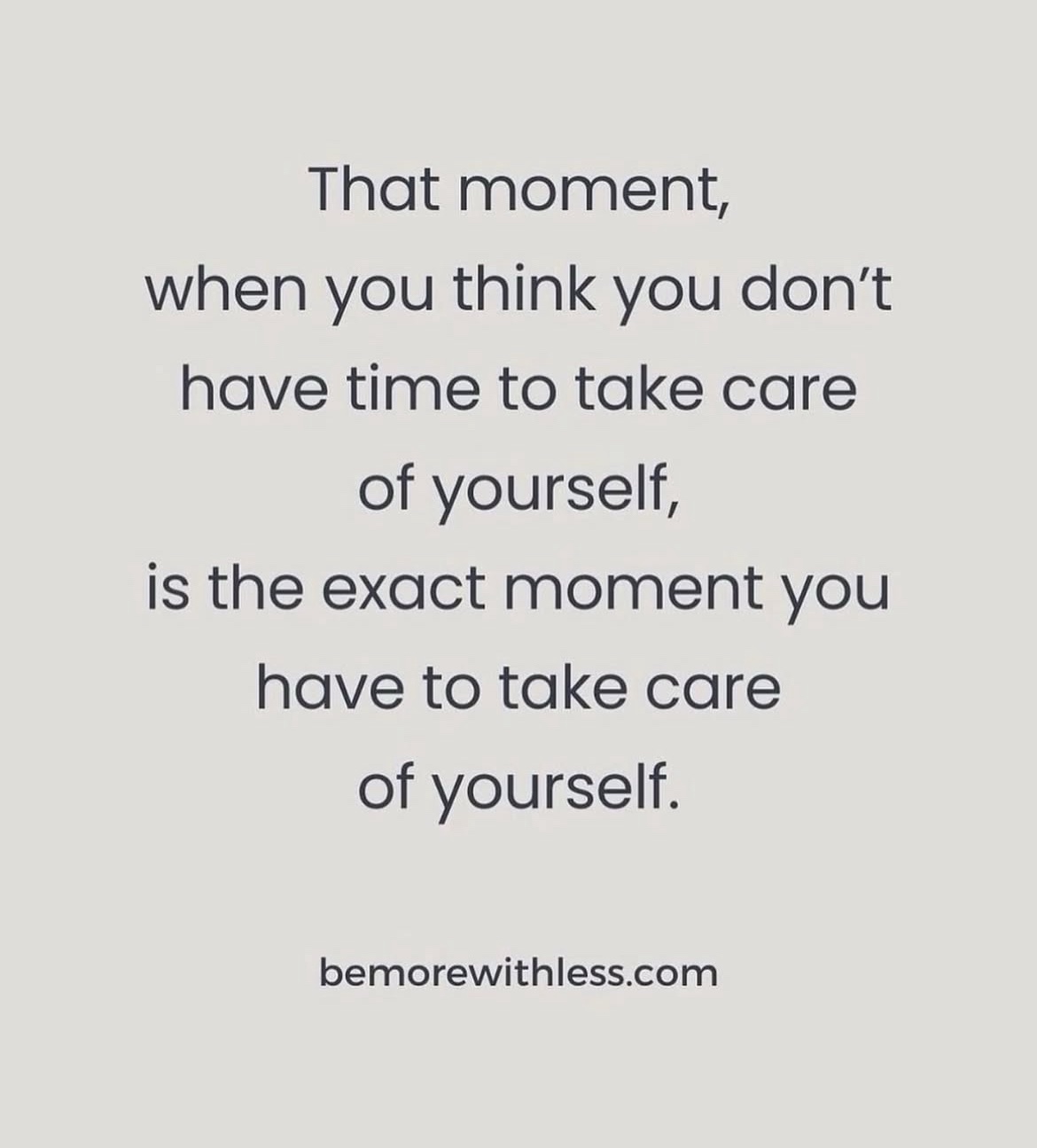
I was 49 years old when I decided to get sober and my children were 14 and 16. It was a very busy time in our household. My husband was working hard re-building his law practice after an 8-year hiatus. My daughter was exploring her independence as a new driver with friends I did not know very well. And my son was struggling with his own anxiety and depression and desperately needed a healthy, attentive, responsive caregiver. I told my AA sponsor more than once, “How can I take care of myself right now when my family needs ALL of me?” It seemed insurmountable to do both. “Take care of yourself first and the rest will fall into place,” she repeated to me hundreds of times. This was counterintuitive to me and required a leap of faith. I felt enormous guilt for “being flawed” and “inadequate.” Those feelings, I discovered many years later became huge add-ons. Just because in the moment I was feeling flawed and inadequate, I made the hugely illogical conclusion that I was permanently incapable of changing. That’s not a great mindset for quitting alcohol, let me tell you!

Like this beautiful lilac bush that was once a tiny sapling from the Wal-Mart garden center I had forgotten I had even planted in the home we left behind in 2010, little by little, and with lots of practice and support, I started to grow and feel better. When I look at this photo my friend Lorna recently shared to show me its progress (current resident of the country home we build and lived in when the children were very young), it strikes me that is is a metaphor for my life emerging from addiction into sobriety. Looking at it I see a hint of the whimsy I so enjoy about life. And it brings me back to my purpose in life: to enjoy the beauty of each moment and attempt to capture some of that whimsy for those I love.
You can’t experience whimsy if you are stuck in the weeds of add-ons, afraid to feel your feelings in the moment, knowing that they will always rise and fall and throughout, you will be okay. I see today how narrowly I escaped never feeling whimsy again had I not listened to my inner voice urging me to find a better way to live 10 years ago. Whimsy is essential to living a full life.

“People who are full of whimsy are odd, but often fanciful and lovely,” (according to Google!). I like home best with my dog, cat and family, nestled in by the fire with pretty lights and books. Simple joys bring lasting comfort and don’t require wine.
How did things turn out for my family, ten years after the turbulence that led to my decision to get sober? Beautifully. Somehow, with lots of support, I was able to simultaneously take care of myself and my family and give them what they needed. We are close and loving and enjoy laughing together. Whenever one person is hurting, we all feel it and find ways to support one another. My lifelong dream of building a happy family is fulfilled. As I approach my 60’s as a sober person, I plan to make whimsy more of a priority. This could show up as homemade jam I gift friends and family or a day trip to visit Clydesdale horses “just because.” I don’t take it for granted – this whimsy has been hard earned!
The work and the whimsy will continue. I am hoping they yield entertaining stories to share with the world.


 Cheeky Street